Tether Under Pressure: Analyzing USDT Liquidity Contraction and US Regulatory Risks
The Coin Republic frames the headline as Tether "risking" USDT delisting.
Clarence Bingham·updated July 22, 2026
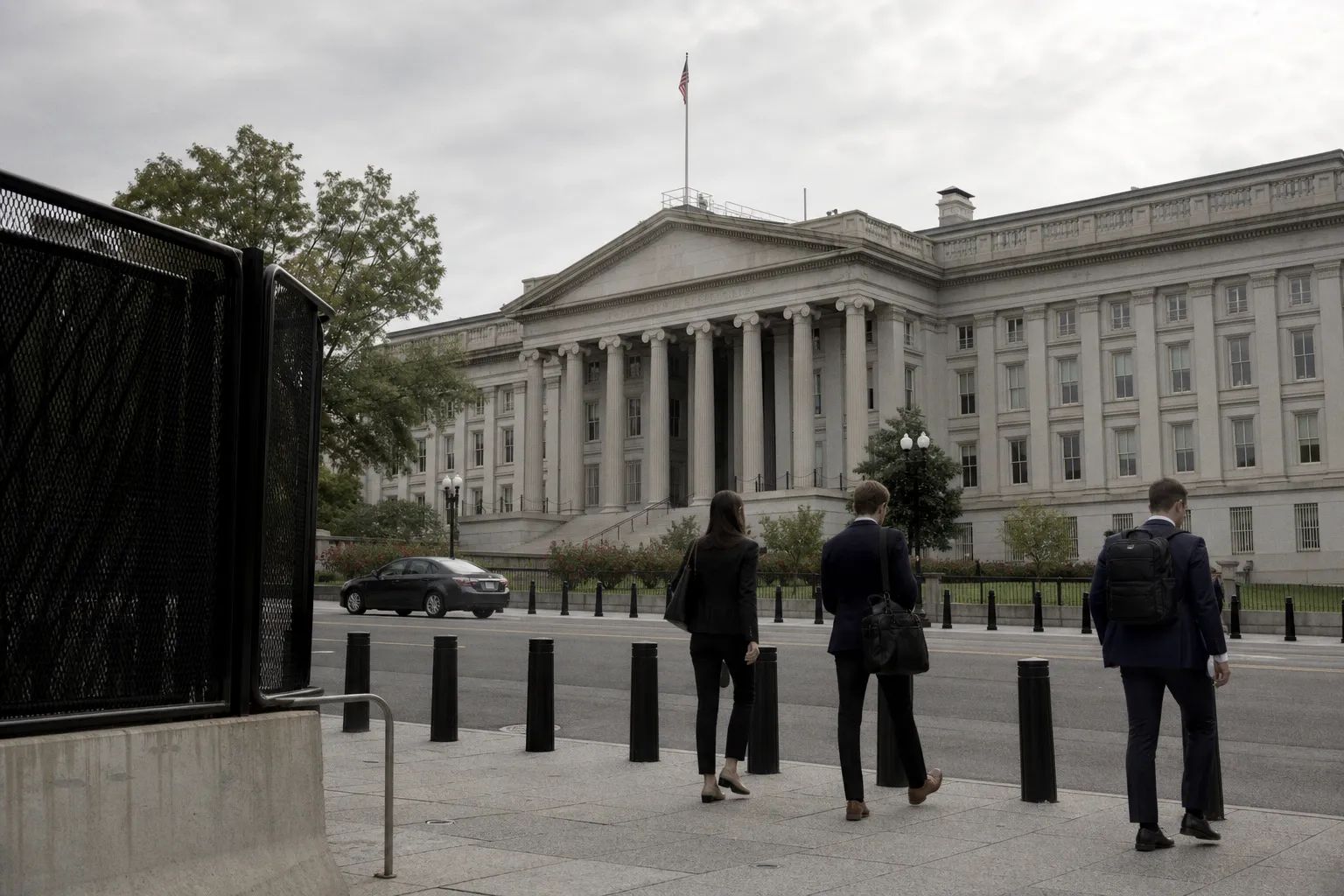
$5.4 billion. That is the liquidity delta Tether's USDT market capitalization has absorbed over the past 60 days, according to Pluang reporting. The contraction arrives alongside a separate Coin Republic report flagging potential USDT delisting risk within the United States — a one-two combination that puts the stablecoin's fiat-equivalent plumbing under direct structural scrutiny.
Treasury contraction: what $5.4B down means on-chain
The reported market cap decline compresses USDT's float at a pace that, if sustained, implies meaningful redemption flows hitting Tether's reserves. At a 1:1 fiat-equivalent peg, each billion in outflow requires the treasury to liquidate or reclassify collateral backing those tokens. The source provides no breakdown between organic redemptions and exchange-driven balance sheet adjustments — a distinction that matters. Organic redemptions signal end-user exit; exchange-driven shifts may simply reflect internal treasury rebalancing across chains or reserve instruments.
Tether has not published an attestation update correlating to this specific 60-day window in the available evidence. Without a fresh reserve attestation, the collateralization ratio behind the remaining float remains an open variable.
US delisting risk: regulatory vector, not confirmed action
No specific regulatory body, enforcement action, or compliance deadline appears in the available source material. The framing is directional — it signals a regulatory vector rather than a confirmed enforcement event.
The structural question is straightforward: if US exchanges or OTC desks face pressure to delist USDT pairs, the liquidity impact concentrates on dollar-denominated trading venues. Non-US markets — where the bulk of USDT volume settles — would see second-order effects through cross-exchange arbitrage disruption. The Cryptonomist corroborates the broader trend, reporting stablecoin outflows signaling cooling crypto market liquidity across the board.
Counterflows: alternative stablecoin positioning
CryptoRank reports Solana expanding alternative stablecoin liquidity — a data point that sits in direct structural contrast to the USDT contraction. When the dominant stablecoin bleeds float, competing issuers and their distribution chains have a window to capture displaced volume. Whether that capture materializes depends on whether the USDT outflow represents user exit from stablecoins entirely, or rotation into competing instruments.
Personnel signal: Twenty One / Jack Mallers departure
Pluang's source text references Jack Mallers stepping down as CEO of Twenty One — a Bitcoin treasury firm backed by Tether — after seven months, citing board disagreements over the company's direction. The departure, combined with reported public questioning of Twenty One's financial model, introduces governance noise into Tether's extended corporate structure. No further detail on the nature of the disagreements appears in available evidence.
What to monitor
For market participants holding USDT as collateral or settlement rail, three variables demand tracking: the next Tether reserve attestation and whether it covers the $5.4B contraction period; any formal US regulatory filing or exchange announcement regarding USDT pair status; and cross-exchange USDT discount/premium spreads as a real-time collateralization sentiment proxy. Anyone relying on stablecoin custody should also verify wallet provenance — losses from compromised hardware wallets and fake device seals remain a persistent counterparty risk independent of issuer solvency.
No confirmed delisting action, no updated attestation, no regulatory filing — only directional signals and balance sheet movement. The plumbing is under stress; the structural outcome remains unconfirmed.