US Regulators Miss GENIUS Act Deadline for Stablecoin Oversight
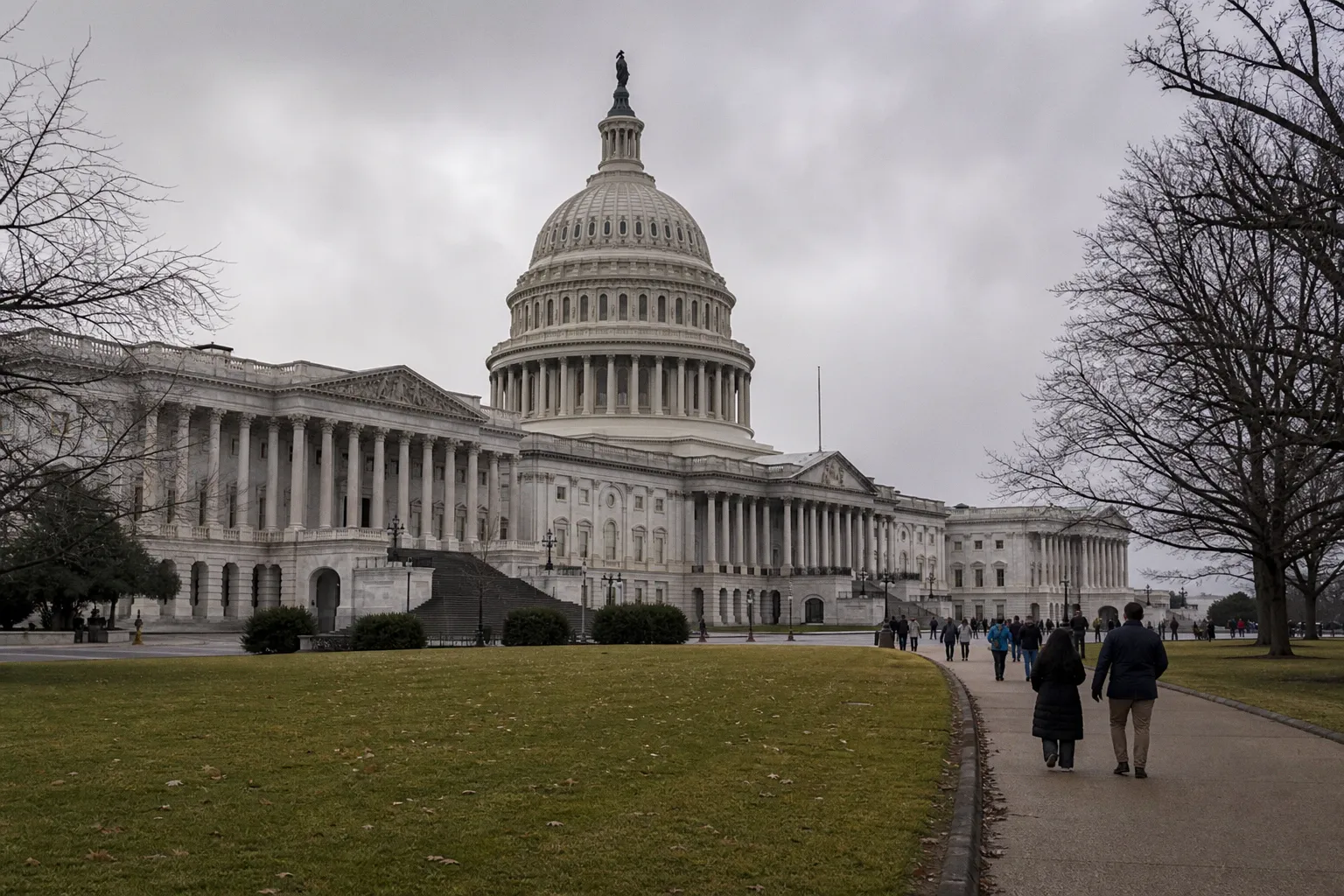
Federal agencies — the Federal Reserve, OCC, FDIC, NCUA, and Treasury — failed to issue a single final rule for payment stablecoins by the July 18, 2026, statutory deadline.
Clarence Bingham·updated July 19, 2026
The GENIUS Act, signed into law exactly one year prior, mandated 1:1 reserve backing, licensing frameworks, AML compliance programs, and public disclosure mandates. The missed deadline extends regulatory ambiguity for issuers through at least year-end 2026, with the law's requirements now set to take effect January 18, 2027 — or 120 days after final rules appear, whichever comes later.
Zero Rules, Zero Enforcement
The rulemaking timeline produced advance notices and preliminary proposals — Treasury's ANPRM landed in September 2025, with a comment period closing November 2025. Other agencies followed with information requests through late 2025 and into 2026. Advance notices carry no binding force. The Act itself contains no penalty clause for agencies that miss the deadline. No automatic fallback provisions fill the vacuum.
Issuers now operate in what industry executives describe as an informal signaling environment: charter decisions and market access routed through backchannel conversations rather than published guidance. The stablecoin sector was supposed to exit regulatory purgatory with the GENIUS Act. It hasn't.
Parallel Tracks: EU Enforcement Already Live
While US rulemaking stalls, the EU's MiCA framework moved to enforcement on July 1. OKX has introduced a one-way conversion service allowing European users to swap USDT for USDC — a MiCA-compliant fiat-equivalent — signaling that regulated platforms are actively repositioning liquidity flows away from non-compliant stablecoins in EU jurisdictions. The directional nature of the conversion tool (USDT → USDC only) is a data point worth monitoring.
Market Stress Without USDT Dislocation
The stablecoin sector contracted by $12.4 billion since mid-May 2026 — the largest pullback since 2022. USDT's market capitalization stood at $184.055 billion, down 0.06% weekly. Competitors saw sharper drawdowns; Sky's USDS fell over 12% in the same window.
Separately, Tether froze approximately $131 million in USDT on TRON wallet addresses linked to Iran, following US Treasury OFAC directives. The action underscores the issuer's centralized compliance apparatus operating on a permissionless ledger — a structural dynamic that remains relevant as federal agencies debate disclosure and attestation standards under the GENIUS Act.
What the Delay Costs
The January 2027 effective date remains nominally intact. Its practical relevance depends on whether regulators can produce final rules early enough for the 120-day implementation window to function. If rulemaking stretches into late 2026 or early 2027, the stablecoin industry operates without a federal framework for nearly two years after Congress acted.
For USDT specifically, the absence of finalized US rules does not alter its reserve composition or collateralization structure — but it does delay the clarity institutional counterparties need to formalize custody, redemption, and disclosure protocols. The liquidity delta between regulatory certainty and current practice widens with each missed deadline.