U.S. CBDC Ban Reshapes Digital Dollar Landscape for Stablecoin Issuers
New U.S. legislation blocks a Federal Reserve CBDC through 2030, redirecting digital dollar competition squarely to private issuers and bank-led tokenized deposit projects.
Clarence Bingham·updated June 30, 2026
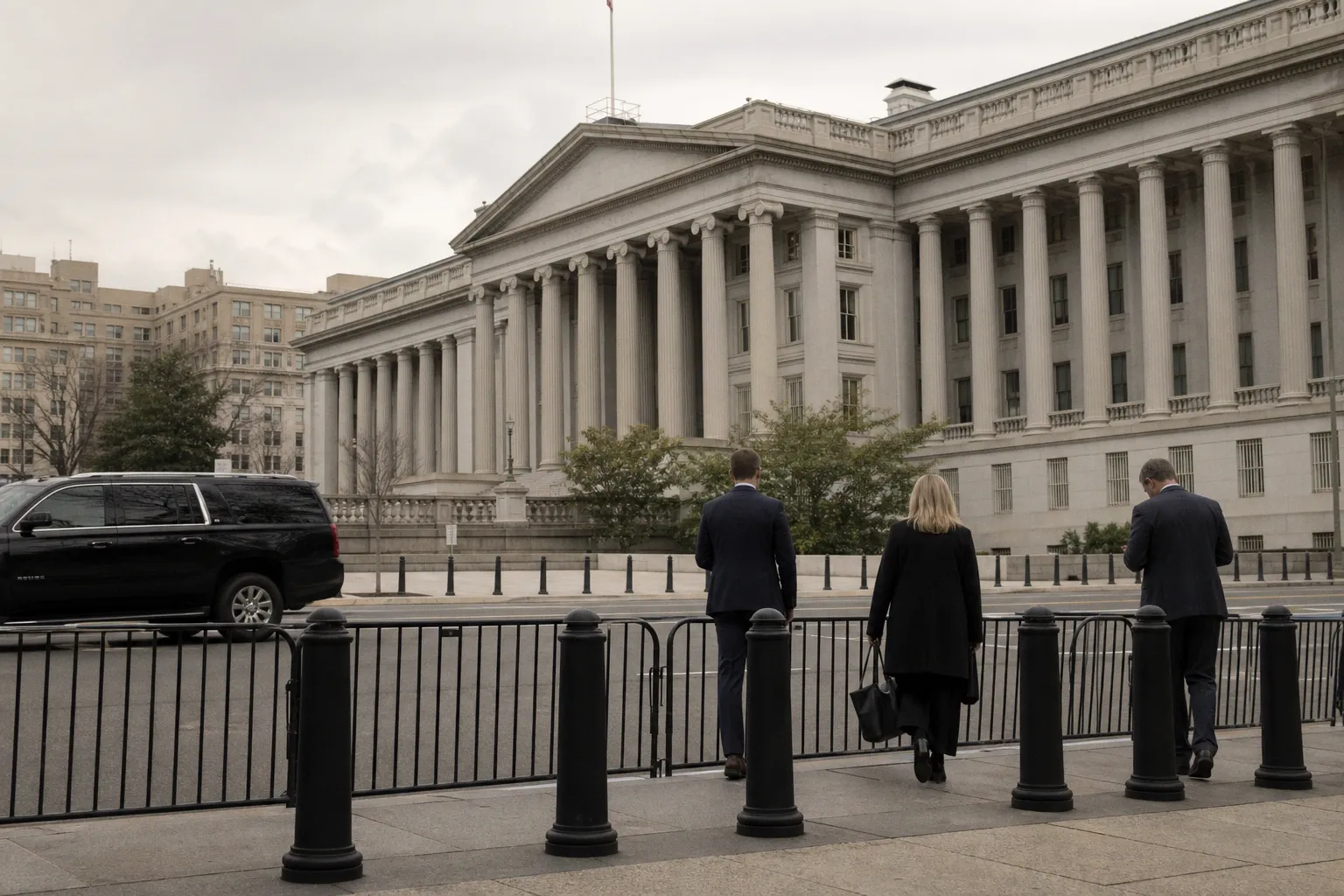
Legislative Freeze on Public CBDC
The 21st Century Housing Act, passing the Senate 85-5 and House 358-32, enacts a four-year ban on a Fed-issued retail CBDC. This delays any central bank digital dollar entry until at least 2031, requiring new congressional approval thereafter. The political consensus is clear: Federal Reserve Chair Kevin Warsh labeled a U.S. CBDC a "wrong policy," while Treasury Secretary Scott Bessent stated the digital dollar is "off the table."
With a would-be government competitor removed, the market structure solidifies around private issuance. The GENIUS Act established federal rules for payment stablecoins, mandating 1-to-1 reserves and monthly disclosures. Bank exclusion is notable: tokenized deposits—liabilities staying within the FDIC insurance perimeter—are carved out from the stablecoin definition.
Private Issuers vs. Tokenized Deposits
Competition now bifurcates. Circle’s USDC and Tether’s USDT dominate the $320 billion stablecoin market with over 80% combined share. Their reserve models—cash, bank deposits, and short-term Treasuries—directly link token circulation to demand for U.S. sovereign debt. The BIS estimates 98% of stablecoin value is dollar-denominated, making these tokens a private digital channel for dollar access, especially in markets with capital controls or weak banking.
Parallel to this, major banks including JPMorgan and Citi are building a joint tokenized deposit network via The Clearing House, targeting launch in first-half 2027. These products aim to offer stablecoin-like instant settlement while keeping funds as insured bank deposits. The GENIUS Act’s stablecoin definition intentionally excludes them, setting up a direct competitive clash between private money tokens and digitized commercial bank liabilities.
Dollar Dominance Amplified Through Reserves
The BIS, ECB, and IMF research converges on a key insight: stablecoin growth amplifies dollar hegemony. Every additional token in circulation requires reserve backing, which funnels demand into U.S. Treasuries and other dollar safe assets. The Richmond Fed explicitly notes that reserve-backed stablecoins increase Treasury demand, while crypto-backed variants do not.
This mechanism transforms stablecoins from exchange liquidity tools into a structural pillar of dollar dominance. For holders in inflationary economies, USDT acts as a digital gateway to dollar exposure without correspondent banking. For issuers like Tether, it means their reserve portfolio and attestation schedule are now core components of global monetary plumbing, not just crypto market infrastructure.
What to Monitor
Track two flows: the reserve composition shifts in major stablecoin attestations as the total supply fluctuates, and the traction of bank tokenized deposit networks ahead of their 2027 target. The GENIUS Act’s reserve and disclosure rules will be tested as competition intensifies. Any stress in stablecoin liquidity or depeg events now has direct implications for Treasury demand curves and cross-border payment settlement.